
Every fine art nude photoshoot begins long before the camera is turned on. It starts with an idea – a feeling, a mood, or a visual direction that I want to explore. The goal is not just to create an image, but to build an atmosphere where everything feels natural and intentional.
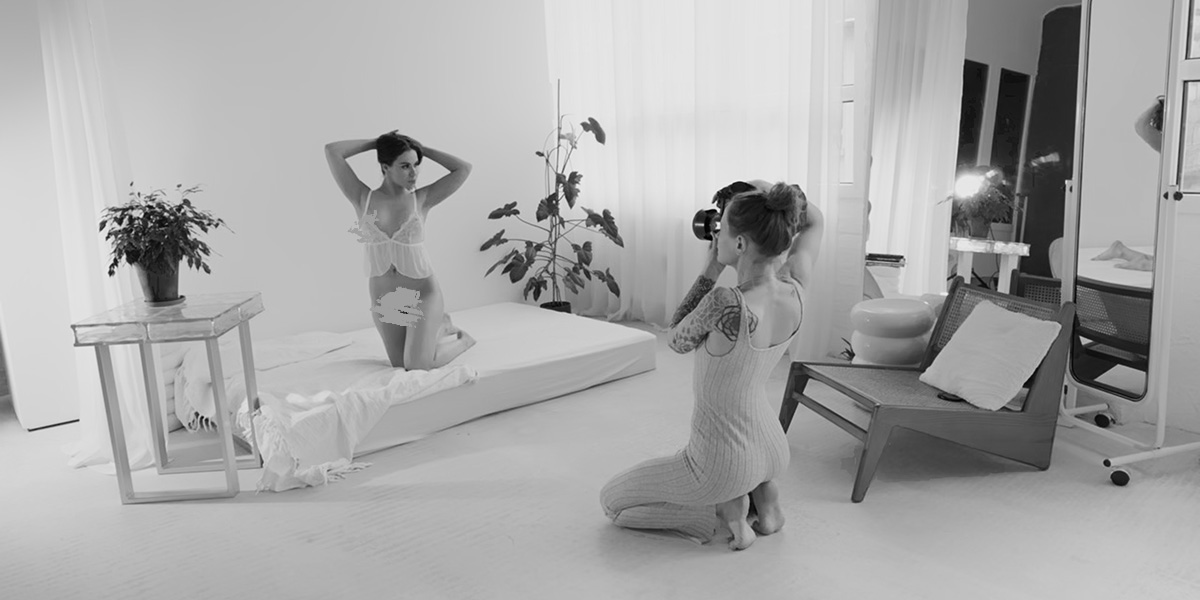
In this article, I will share how I approach a typical fine art nude photoshoot, from selecting the location to capturing the final image. Also check this post if you want to know more about art nude photography – fine art nude photography
Choosing the Right Space
The location is one of the most important elements of the shoot. I carefully select apartments or studios that have a clean, minimal interior. Bright spaces with large windows are ideal, as they allow natural light to shape the scene.
I usually choose locations that feel more refined than everyday environments. The space becomes part of the image, not just a background. It adds context, mood, and visual depth.
Working with Natural Light
Light defines everything in fine art nude photography. I prefer natural light because it creates a soft and organic look. The way light enters a room, reflects from surfaces, and interacts with the body is something that cannot be fully replicated artificially.
I pay close attention to how light falls on the subject. Side light helps create depth and texture, while softer light can produce a more minimal and calm image.
 Building the Atmosphere
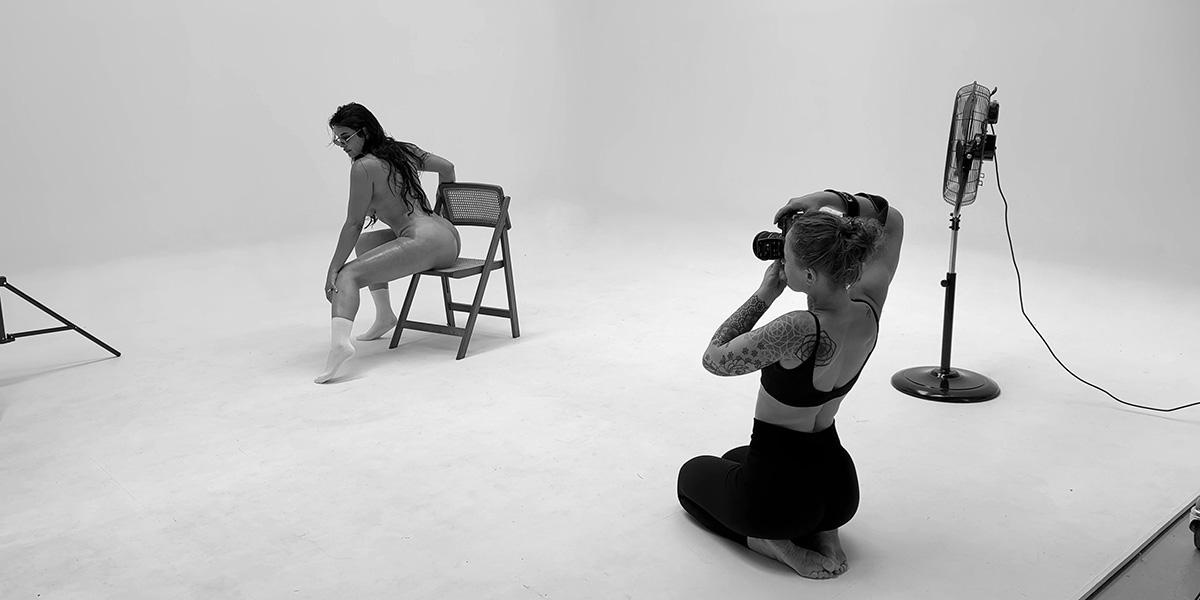
A successful photoshoot is not just about technique — it is about atmosphere. I create a calm and comfortable environment where the model feels relaxed and confident.
There is no rush during the shoot. I take time to observe the light, adjust the composition, and guide the model gently. This helps create images that feel natural rather than forced.
I also share some practical tips and helpful information on how to take – aesthetic nude photography
Directing the Model
In fine art nude photography, posing should feel effortless. I avoid overly complicated poses and instead focus on simple, natural movements that highlight the body’s lines and form.
Small adjustments make a big difference. The position of the hands, the angle of the shoulders, or the direction of the gaze can completely change the image.
Capturing the Image
I aim to capture the final image directly in-camera. This means paying attention to every detail during the shoot — light, composition, exposure, and timing.
Instead of taking hundreds of random shots, I focus on creating fewer, more intentional images. Each frame should already feel complete.
 The Result
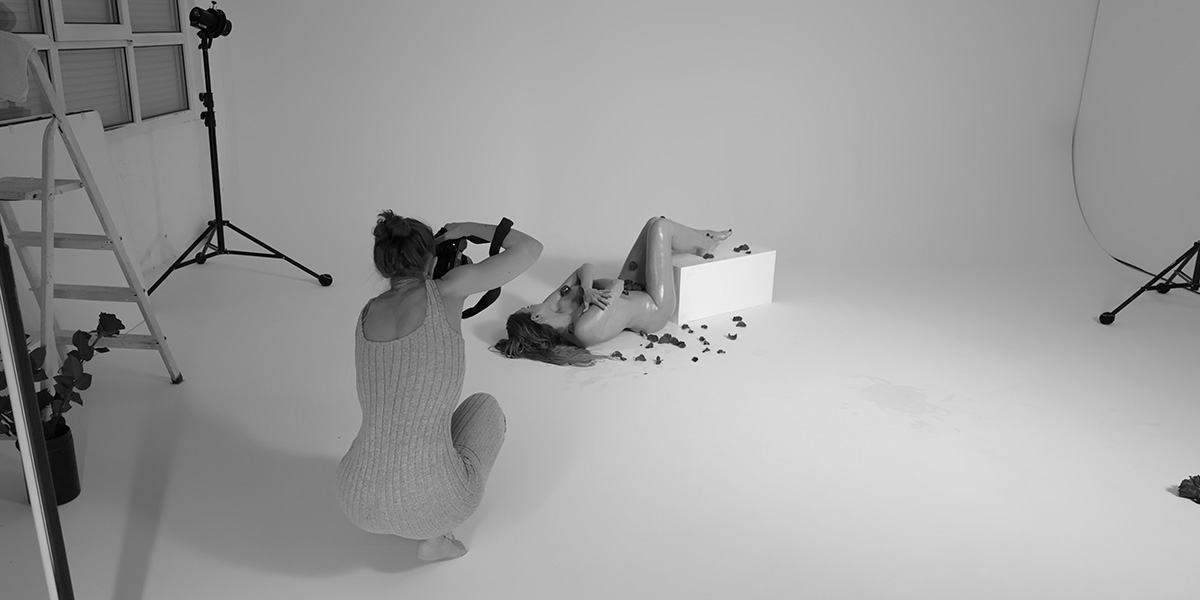
The final image is a combination of all these elements — space, light, atmosphere, and connection. It is not just a photograph, but a visual interpretation of a moment.
If you want to see how these ideas translate into finished artworks, you can explore the full collection here: